Quick Summary
Overview: Worker data can be sensitive even when it looks ordinary. AI tools may process prompts, attachments, recordings, logs or inferred information in ways that are difficult to see after the fact.
- Worker data includes more than HR records.
- Prompts and outputs can both create privacy risk.
- The Privacy Act 1988 and Australian Privacy Principles may apply when personal information is involved.
- Practical next step: Review the information staff enter into AI tools and decide which data categories require approval or must be prohibited.

Glowing AI text and circuits representing privacy and worker data flows. Source: Unsplash / Roman Budnikov.
Privacy risk increases when AI is used casually. A prompt can include more personal information than people realise, and generated output can repeat or infer information in ways that are difficult to control.
This affects employees, managers, HR teams, privacy officers and any workplace using AI to summarise, analyse or draft material about people.
Readers will learn why privacy rules must be built into AI use before staff start entering workplace information into tools.
Why this matters in practice
Worker data can be sensitive even when it looks ordinary. AI tools may process prompts, attachments, recordings, logs or inferred information in ways that are difficult to see after the fact.
In Australia, workplace AI should be considered in the context of privacy, cyber security, work health and safety, workplace relations, discrimination risk and ordinary management accountability. The right control depends on what the AI is used for, who uses it, what data it touches, how many people may be affected and whether the output can be properly checked.
A practical workplace example
A manager might ask an AI tool to summarise notes about a performance issue. Even if the final summary is accurate, the prompt may contain personal information that should not have been entered into that system.
The important point is that governance should follow the actual workflow. A tool that looks low risk in isolation can become higher risk when it changes a decision, influences a worker, handles personal information or produces a record that others rely on.
Common mistakes to avoid
- Assuming a prompt is not a record.
- Using public tools for sensitive worker information.
- Forgetting that generated output can also be personal information.
- Not explaining AI use where privacy notices should be updated.
Governance considerations
Good governance does not need to be complicated, but it should be deliberate. A workplace should be able to explain why AI is being used, what controls apply, who is accountable and how concerns are reviewed.
- Classify worker data before AI use.
- Set clear prohibited data categories.
- Use approved tools and privacy settings.
- Consider privacy impact assessments for higher-risk uses.
- Keep human review in place when outputs concern people.
Human oversight and accountability
Human review should be meaningful. The reviewer needs enough information, authority and time to question the output, seek evidence, override the result or escalate the matter. AI should support human judgement, not remove responsibility from people.
Privacy, records and review
Before AI is used with workplace information, organisations should consider whether personal, confidential or sensitive data is involved. They should also decide what records are kept, how outputs are checked and when the use should be reviewed or retired.
For related guidance, see employee awareness, legal awareness, AI risk guidance.
Worker data is not limited to formal HR files. It can sit in emails, chats, rosters, meeting notes, performance comments, incident reports and system logs.
Worker data is broader than HR records
AI governance should define what categories of information can be used, what cannot be used and who can approve higher-risk use. A tool that handles public text is different from one that handles complaints, health information or performance records.
The OAIC has warned organisations to consider privacy obligations when using commercially available AI products.
Prompts can become records
When a worker pastes information into an AI tool, the prompt itself may contain personal or confidential details. Even if the output looks harmless, the input may have created a privacy risk.
That is why staff need practical rules, not just a general reminder to be careful.
Related Articles

Why Employees Should Know When AI Is Being Used
A workplace AI article explaining why employees should be told when AI is used, what questions workers can ask, and why transparency supports trust.
Read article →
Shadow AI: The Hidden Workplace Risk Leaders Need to Manage
What shadow AI is, why it creates privacy and cyber security risk, and how clear rules help teams use AI safely.
Read article →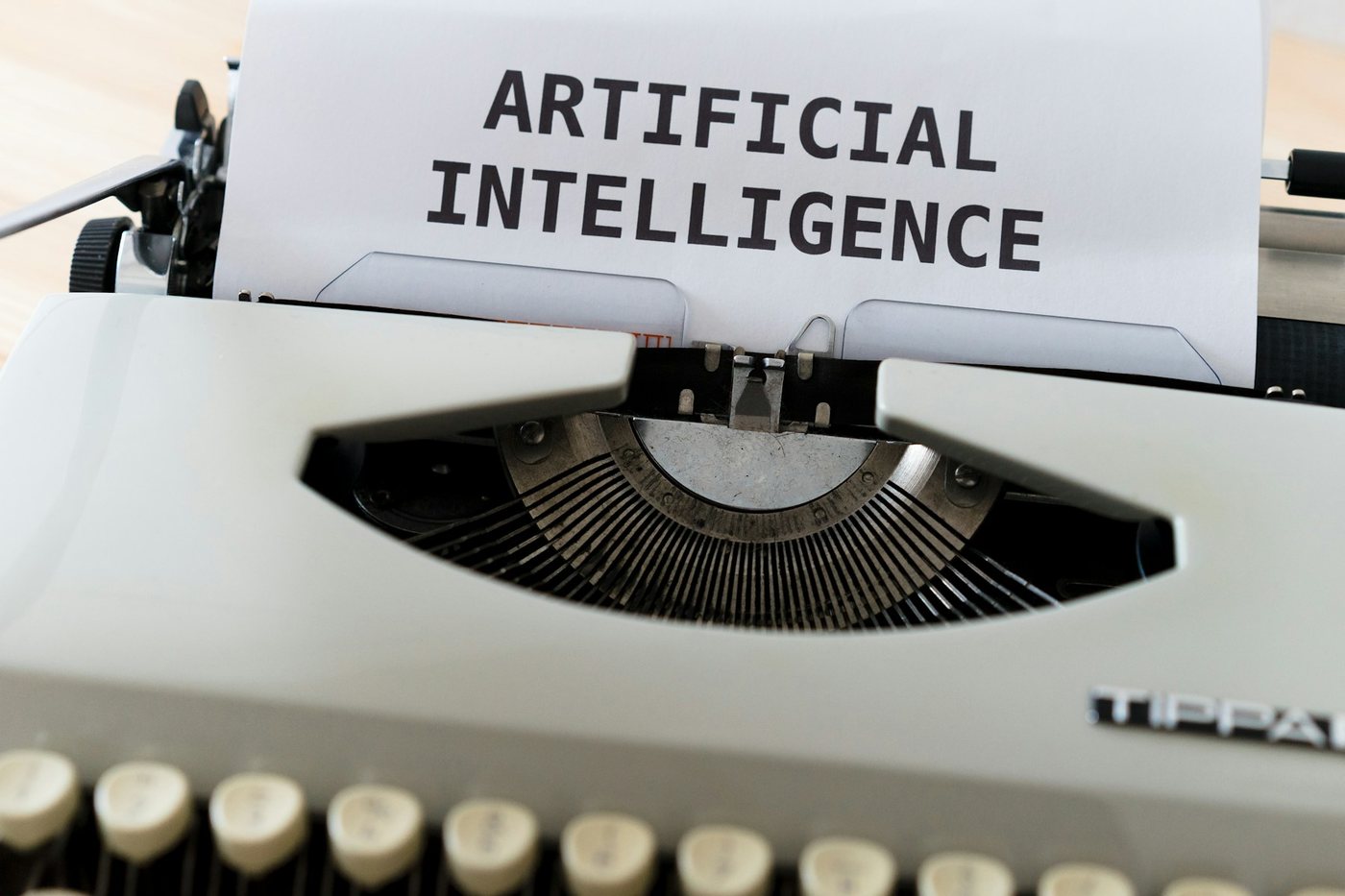
The Biggest AI Risks for Australian Employers
A practical article for Australian employers on common workplace AI risks, including bias, privacy, safety, accountability, consultation and over-reliance.
Read article →Use privacy by design
- Limit what personal information can be entered into AI tools.
- Use approved tools with clear privacy and security settings.
- Check whether a Privacy Impact Assessment is needed.
- Explain AI use clearly in privacy notices where relevant.
- Keep human review in place when outputs concern people.
Frequently Asked Questions
Can staff enter worker information into AI tools?
Only where the use is approved, necessary, secure and consistent with privacy obligations.
Is an AI output personal information?
It can be if it is about an identified or reasonably identifiable person.
What is a practical privacy control?
Set clear data rules that explain what must not be entered into AI tools.
When is a Privacy Impact Assessment useful?
When AI use involves personal information, sensitive data or higher-risk impacts on workers or customers.
Key Facts
- Worker data includes more than HR records.
- Prompts and outputs can both create privacy risk.
- The Privacy Act 1988 and Australian Privacy Principles may apply when personal information is involved.
- Public AI tools should not receive sensitive worker information unless approved.
- Privacy by design should be part of AI adoption.
Useful Australian Resources
These links are provided for general education and context. They are not a substitute for advice about your organisation's circumstances.
- OAIC guidance on commercially available AI products
- Privacy Act 1988
- Australian Privacy Principles guidelines
In Short
Privacy risk increases when AI is used casually. A prompt can include more personal information than people realise, and generated output can repeat or infer information in ways that are difficult to control.
Next step: Review the information staff enter into AI tools and decide which data categories require approval or must be prohibited.