Quick Summary
Overview: AI can support safety by finding patterns, warning of hazards and reducing exposure, but it can also create physical and psychosocial risks. Treat it as one part of a controlled WHS system, not as a substitute for consultation or judgement.
- Potential benefits include earlier hazard signals, safer automation and better trend analysis.
- Potential harms include false reassurance, work intensification, surveillance and system failure.
- Workers should be consulted because they understand real tasks, exceptions and workarounds.
- Practical next step: test one safety-related AI use against real conditions and a documented manual fallback.
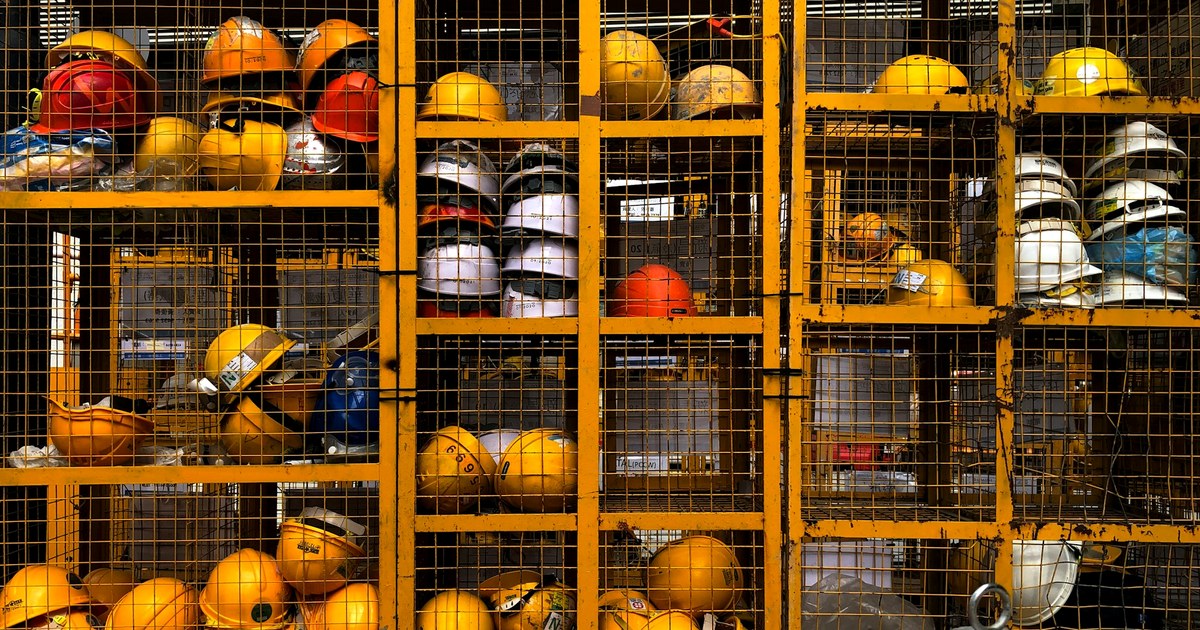
Photo by Pop & Zebra on Unsplash. Used under the Unsplash License.
AI could help Australian workplaces identify hazards earlier, learn from more data and keep people away from dangerous tasks. It can also intensify work, expand surveillance and create new failure modes if it is treated as an automatic safety authority.
Safe Work Australia says AI and digital technologies can create both WHS opportunities and risks. It also says introducing or changing these technologies can introduce or alter workplace risks, including through routine supplier updates.
The legal framework differs across Commonwealth, state and territory jurisdictions. Safe Work Australia develops national policy and model materials but is not the workplace safety regulator.
Where AI can improve safety
The strongest safety case is usually not “AI knows best”. It is that a system may help people notice patterns, conditions or weak signals sooner. That support can be valuable when the output is tested, understood and placed inside a sound risk-management process.
| Possible use | Potential safety value | Important check |
|---|---|---|
| Image or sensor analysis | Flag an exclusion-zone breach, missing guard or emerging equipment condition | Can it detect the real environment, including poor light, occlusion and unusual work? |
| Trend analysis | Find recurring hazards across incident, maintenance or inspection records | Are records complete, consistently coded and free from reporting bias? |
| Fatigue or workload signals | Support review of rostering, breaks or high-demand periods | Does the system respect individual variation and avoid replacing worker-reported symptoms? |
| Robotics and remote operation | Reduce exposure to dangerous environments or repetitive tasks | What happens during loss of communication, sensor failure or unexpected human movement? |
| Training support | Provide simulations, tailored practice or accessible explanations | Does the training reflect the actual task and remain safe and accessible? |
The risks created by the tool
Automation bias and false reassurance
A confident alert, score or recommendation can narrow attention. A missed alert can be wrongly interpreted as proof that no hazard exists. Controls should make clear that absence of a machine warning is not absence of risk.
Work intensification and reduced control
Automating routine work can leave people with a higher concentration of complex tasks. Systems that allocate work or set pace can also reduce control over breaks and increase cognitive demands. Safe Work Australia identifies high job demands, low job control, role clarity, organisational justice and fatigue among the issues that may arise.
Monitoring, privacy and trust
A camera, wearable or productivity system introduced for safety may later be used for performance management. This scope change can create privacy, surveillance, industrial and psychosocial concerns. Purpose, access, retention and secondary use should be settled before collection starts, with specialist advice where required.
System change and hidden dependencies
A vendor update can alter thresholds, interfaces or model behaviour. Connectivity, sensors and data pipelines can also fail. A safety control that relies on AI needs change management, testing and a fallback that works when the technology does not.
Scenario: an AI camera checks protective equipment
A warehouse proposes a camera system that flags people entering a marked zone without required protective equipment. The demonstration is accurate, but a workplace trial finds missed detections when workers are partially hidden by stock. Workers also ask whether footage will be used to evaluate performance.
A stronger implementation separates the safety purpose from unrelated monitoring, consults affected workers, tests the actual lighting and work patterns, sets a manual control for missed detections, restricts footage access and documents how alerts are verified. The AI is an additional signal; it does not replace physical controls, supervision or hazard reporting.
What this scenario does not prove: it does not show that camera monitoring is lawful or appropriate in every jurisdiction. Workplace surveillance, privacy, industrial and discrimination issues depend on the facts and location.
A safer deployment cycle
- Define the hazard and intended control. Be specific about the risk being reduced and how AI contributes.
- Consult early. Involve workers, health and safety representatives where applicable, other duty holders and relevant specialists.
- Assess the whole system. Include physical, psychosocial, privacy, security, accessibility and human-factors risks.
- Test in representative conditions. Include edge cases, equipment failure, vulnerable groups, false positives and false negatives.
- Keep effective controls and fallback. Do not remove proven controls merely because a pilot looks promising.
- Monitor and review. Track failures, overrides, near misses, complaints and vendor changes, then reassess the control.
Under the model WHS approach, risks should be eliminated so far as is reasonably practicable or otherwise minimised so far as is reasonably practicable. Victoria uses its own OHS framework. Always check the regulator, legislation, codes and consultation arrangements that apply to the workplace.
Sources and currency
Jurisdiction: Australia. Sources checked: 27 October 2026. Legislation and industrial instruments are binding only where they apply. Regulator material is guidance about administering relevant law; government plans and the Essential AI Practices are not legislation. Recommended governance practice does not guarantee compliance, safety or fairness. Check the instrument, jurisdiction and facts relevant to your workplace.
- Safe Work Australia, AI and digital technologies , national policy and guidance; Safe Work Australia is not a regulator
- Safe Work Australia, managing risks from AI and digital technologies , national guidance
- Safe Work Australia, example opportunities and risks , national guidance
- Safe Work Australia directory of Commonwealth, state and territory WHS/OHS regulators
- Fair Work Ombudsman consultation and cooperation guide , regulator guidance about workplace change
Related Articles

The Workplace AI Governance Gap Australia Needs to Close
Why Australia’s workplace AI gap is about accountable use, worker participation and assurance, not only technical skills, and how organisations can close it.
Read more →
Is Your Organisation at Risk When Using AI?
A practical Australian test for hidden workplace AI risk across data, decisions, safety, security, people and accountability.
Read more →
AI Risk Management for Australian Workplaces
A use-case method for assessing workplace AI risk and selecting proportionate controls.
Read more →Frequently Asked Questions
Can AI replace a workplace safety professional?
AI may support analysis or detection, but it should not be treated as a substitute for competent risk management, consultation, professional judgement or legal duties.
Does a safety AI system create new risks?
It can. Examples include missed hazards, false alarms, work intensification, surveillance, unclear responsibility and reliance on systems that may change or fail.
Is Safe Work Australia the regulator?
No. Safe Work Australia develops national policy and model materials. Commonwealth, state and territory regulators administer and enforce the laws that apply in their jurisdictions.
What should be monitored after deployment?
Track system performance, false alerts, missed hazards, overrides, worker feedback, near misses, incidents and supplier changes.
Key Facts
- AI and digital technologies can create both WHS opportunities and risks.
- Routine software updates may introduce or change workplace risks.
- AI can support hazard detection but should not become the only source of safety information.
- Consultation and representative testing are essential parts of a credible deployment process.
- The applicable WHS or OHS law and regulator depend on the jurisdiction.
In Short
AI can support safety by finding patterns, warning of hazards and reducing exposure, but it can also create physical and psychosocial risks. Treat it as one part of a controlled WHS system, not as a substitute for consultation or judgement.
Next step: test one safety-related AI use against real conditions and a documented manual fallback.