Quick Summary
Overview: Access to advanced AI models can change quickly. Workplaces that depend heavily on one model, supplier or overseas service should think about resilience, continuity and data exposure.
- AI access and supplier terms can change quickly.
- Sovereignty includes data, resilience and supplier dependency.
- Critical AI workflows need continuity planning.
- Practical next step: Map the AI suppliers used in critical work and confirm what happens if model access, pricing or terms change.

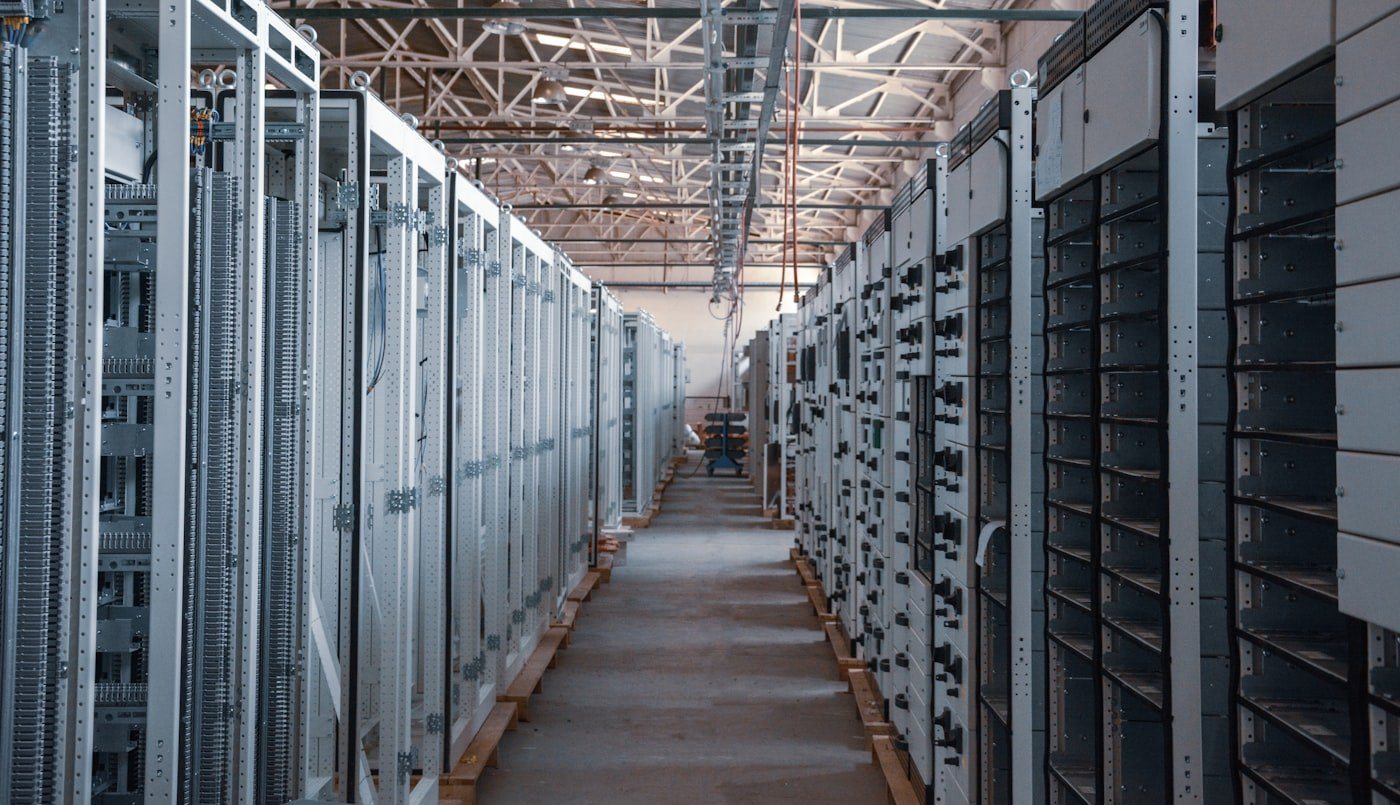
Server racks representing AI sovereignty, data access and infrastructure resilience. Source: Unsplash.
Access to advanced AI models can change quickly. For Australian workplaces, the lesson is not to depend on one model, one vendor or one overseas service without thinking about resilience.
It affects executives, IT teams, procurement teams, cyber teams and business units building workflows around AI services.
Readers will learn how AI sovereignty connects to supplier risk and workplace governance.
Why this matters in practice
Access to advanced AI models can change quickly. Workplaces that depend heavily on one model, supplier or overseas service should think about resilience, continuity and data exposure.
In Australia, workplace AI should be considered in the context of privacy, cyber security, work health and safety, workplace relations, discrimination risk and ordinary management accountability. The right control depends on what the AI is used for, who uses it, what data it touches, how many people may be affected and whether the output can be properly checked.
A practical workplace example
A team may build a reporting process around one AI model. If access changes, pricing shifts or a service is withdrawn, the workplace still needs a way to complete the work and protect data.
The important point is that governance should follow the actual workflow. A tool that looks low risk in isolation can become higher risk when it changes a decision, influences a worker, handles personal information or produces a record that others rely on.
Common mistakes to avoid
- Assuming model access is permanent.
- Not checking data transfer terms.
- Using one provider for critical work without a fallback.
- Ignoring staff workarounds when access changes.
Governance considerations
Good governance does not need to be complicated, but it should be deliberate. A workplace should be able to explain why AI is being used, what controls apply, who is accountable and how concerns are reviewed.
- Map critical AI dependencies.
- Review supplier and data terms.
- Plan fallback processes.
- Keep records of approved models.
- Monitor changes in access, capability and risk.
Human oversight and accountability
Human review should be meaningful. The reviewer needs enough information, authority and time to question the output, seek evidence, override the result or escalate the matter. AI should support human judgement, not remove responsibility from people.
Privacy, records and review
Before AI is used with workplace information, organisations should consider whether personal, confidential or sensitive data is involved. They should also decide what records are kept, how outputs are checked and when the use should be reviewed or retired.
For related guidance, see AI policy and shadow AI, governance framework, AI risks.
AI sovereignty is partly about national capability, but it is also about ordinary organisational planning: data, suppliers, continuity and control.
Model access is a business continuity issue
A tool that is available today can change terms, pricing, features or access tomorrow. If a workflow relies heavily on that tool, the organisation needs a backup plan.
This is especially important where AI supports customer service, internal knowledge, operational decisions or sensitive data handling.
Sovereignty starts with visibility
Workplaces should understand which AI systems they depend on, where data is processed, what happens when a supplier changes and whether outputs can be reviewed or reproduced.
This is not about rejecting overseas technology. It is about knowing the dependency before it becomes a risk.
Related Articles
Australian Data Centres and the Demand for AI Infrastructure
Why AI is increasing demand for Australian data centres and what workplaces should understand about energy, water, security, sovereignty and social licence.
Read article →
Shadow AI: The Hidden Workplace Risk Leaders Need to Manage
What shadow AI is, why it creates privacy and cyber security risk, and how clear rules help teams use AI safely.
Read article →
AI Risk Management
AI Risk Management helps Australian workplaces identify, assess and control AI risks before tools affect people, decisions, privacy, safety or data.
Read article →Practical resilience questions
- Which AI suppliers support critical work?
- Where is data processed and stored?
- Can staff switch tools if access changes?
- Are records kept outside the AI platform?
- Who approves new model or vendor changes?
Frequently Asked Questions
What does AI sovereignty mean for workplaces?
It means understanding control, dependency, data flows, supplier risk and resilience when using AI systems.
Do all AI tools need local hosting?
Not always. The right approach depends on data, risk, purpose and business continuity needs.
What is the main workplace lesson?
Do not build critical processes around a tool without understanding supplier and access risk.
How can organisations reduce dependency?
Keep records, maintain approved alternatives and review supplier changes.
Key Facts
- AI access and supplier terms can change quickly.
- Sovereignty includes data, resilience and supplier dependency.
- Critical AI workflows need continuity planning.
- Organisations should understand where data is processed.
- Human review and records reduce dependency risk.
Useful Australian Resources
These links are provided for general education and context. They are not a substitute for advice about your organisation's circumstances.
In Short
Access to advanced AI models can change quickly. For Australian workplaces, the lesson is not to depend on one model, one vendor or one overseas service without thinking about resilience.
Next step: Map the AI suppliers used in critical work and confirm what happens if model access, pricing or terms change.