Quick Summary
Overview: AI demand is increasing attention on data centres, cloud capacity, energy use, security and data location. These issues matter because AI adoption depends on infrastructure that may sit outside the immediate workplace.
- AI demand increases pressure on data centres and cloud infrastructure.
- Infrastructure choices affect cost, resilience, privacy and cyber security.
- Local hosting may help some use cases but does not replace governance.
- Practical next step: Review critical AI suppliers and confirm where data is processed, how services are secured and what happens during outages.

A data centre aisle representing AI infrastructure demand and cloud capacity. Source: Unsplash.
AI is increasing demand for data centres because advanced systems require computing power, memory, storage, cooling, electricity and network capacity. The digital economy may feel weightless, but AI is very physical.
It affects business leaders, procurement teams, IT teams, privacy officers and organisations relying on cloud-based AI systems.
Readers will learn what workplace leaders should ask about data centres and AI infrastructure.
Why this matters in practice
AI demand is increasing attention on data centres, cloud capacity, energy use, security and data location. These issues matter because AI adoption depends on infrastructure that may sit outside the immediate workplace.
In Australia, workplace AI should be considered in the context of privacy, cyber security, work health and safety, workplace relations, discrimination risk and ordinary management accountability. The right control depends on what the AI is used for, who uses it, what data it touches, how many people may be affected and whether the output can be properly checked.
A practical workplace example
An organisation using a cloud AI service may need to understand where data is processed, how access is controlled and what happens if capacity, pricing or availability changes.
The important point is that governance should follow the actual workflow. A tool that looks low risk in isolation can become higher risk when it changes a decision, influences a worker, handles personal information or produces a record that others rely on.
Common mistakes to avoid
- Ignoring data location and supplier terms.
- Treating infrastructure as separate from governance.
- Forgetting energy and community expectations.
- Not planning for continuity if a provider changes service access.
Governance considerations
Good governance does not need to be complicated, but it should be deliberate. A workplace should be able to explain why AI is being used, what controls apply, who is accountable and how concerns are reviewed.
- Ask where data is stored and processed.
- Review supplier security and resilience.
- Consider privacy and sovereignty expectations.
- Plan for outages or service changes.
- Include infrastructure impacts in AI approvals.
Human oversight and accountability
Human review should be meaningful. The reviewer needs enough information, authority and time to question the output, seek evidence, override the result or escalate the matter. AI should support human judgement, not remove responsibility from people.
Privacy, records and review
Before AI is used with workplace information, organisations should consider whether personal, confidential or sensitive data is involved. They should also decide what records are kept, how outputs are checked and when the use should be reviewed or retired.
For related guidance, see AI governance, AI risks, AI governance framework.
For Australian workplaces, this matters because infrastructure affects cost, resilience, privacy, cyber security and supplier choices.
AI needs more than software
Every prompt, model run, search, summary or generated output uses computing resources somewhere. As use grows, organisations need to think about where data is processed, how systems are secured and what happens if services become unavailable.
Why local capacity matters
Australian data centre demand is shaped by cloud adoption, digital services and AI workloads. Local hosting can matter for latency, regulatory expectations, privacy considerations and business continuity.
It does not remove the need for governance. Organisations still need to understand suppliers, data flows and security controls.
Related Articles

Why AI Growth Is Pushing Up RAM and Chip Prices
Why global AI growth is putting pressure on RAM, memory chips and semiconductor supply, and what workplaces should consider when planning technology budgets.
Read article →
How Australia Is Shaping the AI Industry
How Australia is shaping the AI industry through responsible adoption, safety work, infrastructure expectations, skills and national AI capability.
Read article →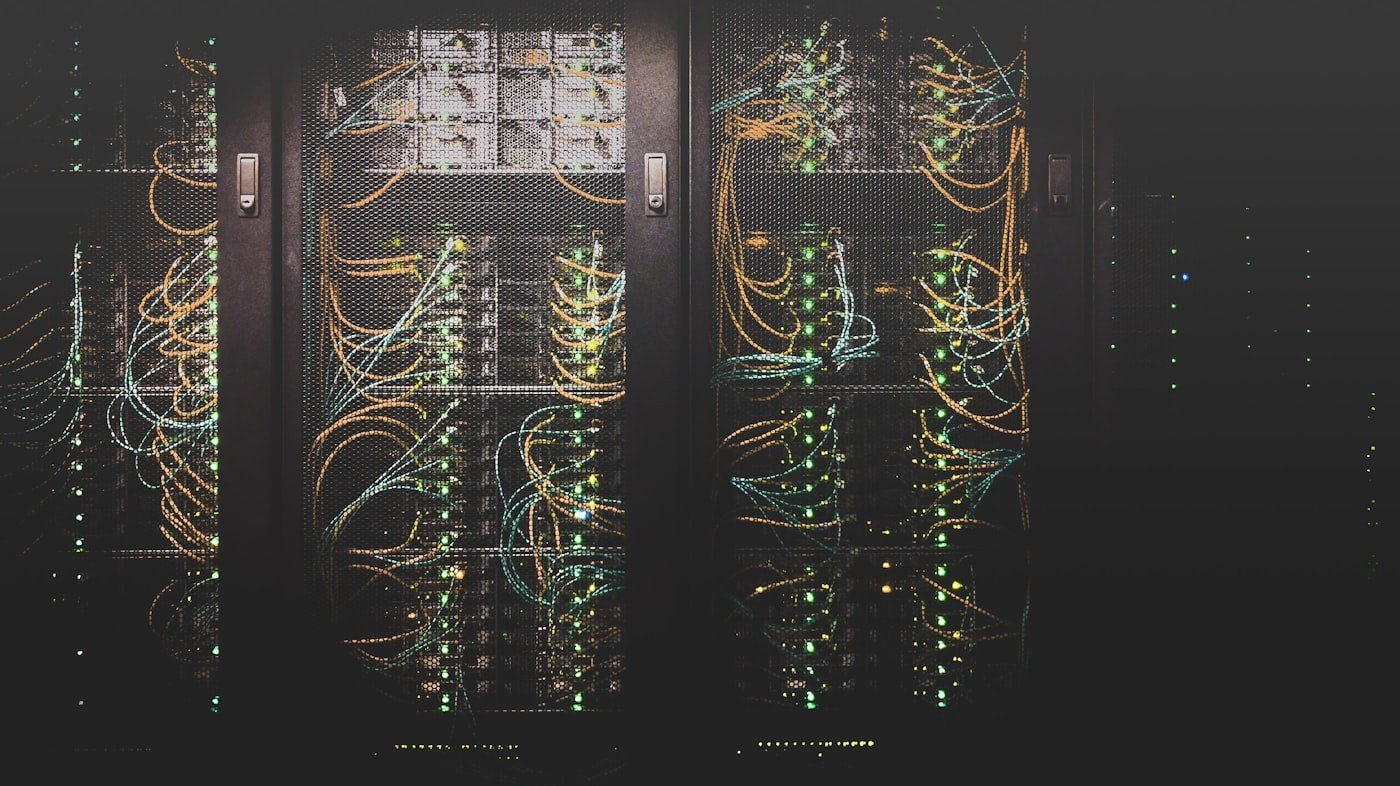
Fable, Mythos and AI Sovereignty: Lessons for Australian Workplaces
What changing access to advanced AI models teaches workplaces about resilience, cyber risk, procurement and governance.
Read article →Questions for workplace leaders
- Where is workplace data processed and stored?
- Which suppliers support the AI system?
- What happens during outages or service changes?
- How are access, logging and retention managed?
- Are cloud and infrastructure costs understood before scaling?
Frequently Asked Questions
Why does AI increase data centre demand?
AI workloads require large amounts of computing power, memory, storage and network capacity.
Does Australian hosting solve privacy risk?
No. It can help some requirements, but organisations still need clear privacy, security and data controls.
What should procurement check?
Data location, access controls, security, resilience, subcontractors, logging and service continuity.
Should data centre risk be part of AI governance?
Yes. Infrastructure and supplier risk are part of the AI lifecycle.
Key Facts
- AI demand increases pressure on data centres and cloud infrastructure.
- Infrastructure choices affect cost, resilience, privacy and cyber security.
- Local hosting may help some use cases but does not replace governance.
- Supplier due diligence should include data flows and outage planning.
- Scaling AI should include infrastructure cost modelling.
Useful Australian Resources
These links are provided for general education and context. They are not a substitute for advice about your organisation's circumstances.
- Australian Cyber Security Centre Essential Eight
- ASD strategies to mitigate cyber security incidents
- OAIC guidance on commercially available AI products
In Short
AI is increasing demand for data centres because advanced systems require computing power, memory, storage, cooling, electricity and network capacity. The digital economy may feel weightless, but AI is very physical.
Next step: Review critical AI suppliers and confirm where data is processed, how services are secured and what happens during outages.