Quick Summary
Overview: Australia is attracting very large data centre investments, but capital spending is only one part of the cost. AI facilities also place concentrated demands on electricity, networks, water, land, equipment and skilled construction labour.
- Announced Australian data centre investments could scale beyond $100 billion.
- Data centres currently use about 2% of grid-supplied electricity and demand is forecast to rise strongly.
- Water and grid infrastructure can create significant local costs.
- Practical next step: Treat infrastructure, supplier pricing and continuity as part of AI procurement and governance.

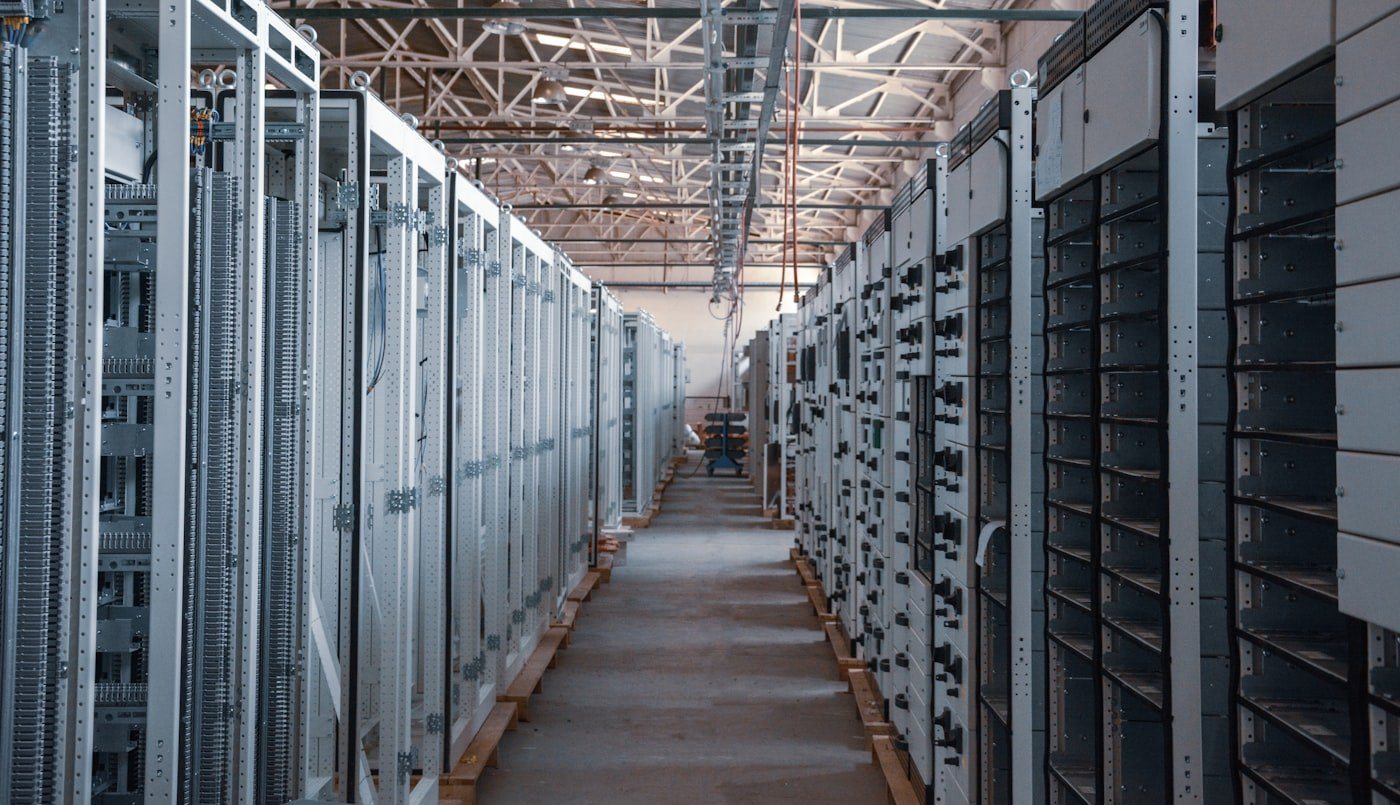
AI data centres combine expensive computing hardware with energy, cooling, connectivity and security infrastructure.
AI may appear on a screen as a chat box or software feature, but every output depends on physical infrastructure. Advanced models run on specialised processors housed in data centres that must operate securely and reliably around the clock.
Australia has become a major destination for this investment. The National AI Plan says the country attracted $10 billion in data centre investment during 2024 and that announced plans between 2023 and 2025 could scale beyond $100 billion.
Those figures describe investment opportunity, not a single bill. Announcements may be staged, changed or never fully completed. The broader cost question is who pays for the supporting energy, water and network capacity, and who receives the benefit.
What does an AI data centre cost?
There is no single Australian price. A small enterprise facility and a hyperscale AI campus have very different designs. Location, power availability, connection works, land, cooling, redundancy, chip supply and construction timing can all materially change the result.
The main cost layers include:
- Land and construction: secure buildings, reinforced floors, fire systems and physical protection.
- Computing hardware: graphics processors, memory, storage and high-speed networking.
- Power infrastructure: grid connections, substations, transformers, cabling and sometimes new generation.
- Cooling and water: chillers, cooling towers, pumps, treatment and recycled-water systems.
- Resilience: batteries, generators, duplicate network paths and spare equipment.
- Operations: electricity, maintenance, security, software, staff and replacement of ageing hardware.
The hardware cycle matters. AI processors can become commercially outdated well before the building does, so operators may face repeated capital upgrades during a facility’s life.
The electricity and grid cost
The Australian Energy Market Operator says 162 operational data centres account for around 2% of current grid-supplied electricity use. It has projected consumption reaching about 12 terawatt hours, or around 6% of grid-supplied electricity, by 2030 and about 34 terawatt hours, or 12%, by 2050.
That growth is not guaranteed, but it is large enough to affect system planning. At the end of the March 2026 quarter, 11 large projects representing 5.4 gigawatts of maximum demand were progressing through the transmission connection process, mostly in New South Wales and Victoria.
Connecting a large new load can require network upgrades and additional generation. The cost is not just the electrons a facility buys. It can include the infrastructure needed to deliver reliable power at the right place and time.
Water, land and local infrastructure
Data centres mainly use water for cooling and heat rejection. Actual use varies widely with design, climate and operating choices. Infrastructure Australia estimates a 250 MW hyperscale facility could use potable water equivalent to thousands or tens of thousands of households each year, depending on water-use effectiveness.
The local effect matters more than a national average. Water demand can be concentrated in urban growth areas that already need investment for homes, industry and drought resilience. Infrastructure Australia expects data centres to invest between $500 million and $1.1 billion in recycled-water infrastructure by 2030.
There are also opportunity costs. Large sites compete for appropriately zoned land, construction capacity, electrical equipment and skilled labour. Communities may experience road works, transmission construction, noise from backup generation and pressure on local services.
The benefits on the other side
Data centres can bring construction spending, long-term technical jobs, tax revenue, digital resilience and local access to computing capacity. They can also support renewable energy projects through long-term power purchase agreements.
Some computing workloads can be scheduled when renewable supply is abundant, although many customer and cloud services still require continuous availability. The public value depends on how facilities are connected, operated and integrated with the energy system.
Who should pay?
The Australian Government’s 2026 expectations for data centre and AI infrastructure developers say operators should underwrite new renewable supply, pay their full share of new grid connectivity so costs are not passed to households or other businesses, support demand flexibility and use water sustainably.
These expectations reflect the central policy issue: private investment can create national benefits, but the supporting costs should be transparent and allocated fairly. Planning, connection and water decisions need to consider both the project and the surrounding community.
What the cost means for AI buyers
Most Australian organisations will not build a data centre, but they still pay for infrastructure through cloud subscriptions, usage fees, contracts and future price changes. AI governance should therefore include:
- understanding where data is processed and which suppliers provide the computing capacity
- checking how prices may change as usage, energy costs or hardware demand grows
- planning for outages, capacity limits and supplier exit
- asking for meaningful energy, water and emissions information where it matters to procurement
- avoiding unnecessary AI use when a simpler system can perform the task
For related guidance, see Australian data centres and AI infrastructure demand, AI growth and chip prices, AI risks and the workplace AI governance framework.
Related Articles
Australian Data Centres and the Demand for AI Infrastructure
Why AI is increasing demand for local computing, energy and cloud capacity.
Read article →
Why AI Growth Is Pushing Up RAM and Chip Prices
How AI infrastructure demand affects memory, storage and technology budgets.
Read article →
How Australia Is Shaping the AI Industry
How policy, safety, infrastructure and skills are influencing AI adoption.
Read article →Frequently Asked Questions
How much investment is going into Australian data centres?
Australia's National AI Plan says companies announced data centre investments between 2023 and 2025 that could scale beyond $100 billion. Announced investment is not the same as completed spending.
Why do AI data centres use so much electricity?
AI workloads use dense computing hardware that requires continuous power, cooling, networking and backup systems.
Could data centres raise costs for other electricity users?
Large new loads can require generation and network investment. Government expectations say developers should underwrite new renewable supply and pay their share of grid connection costs.
Why is water part of the cost?
Water may be used for cooling and heat rejection, and new facilities can require recycled-water infrastructure or other local water-system investment.
Key Facts
- Australia attracted $10 billion in data centre investment during 2024.
- Data centres account for around 2% of current grid-supplied electricity use.
- AEMO forecasts that share could reach around 6% by 2030 and 12% by 2050.
- Energy, water and grid costs depend heavily on location and facility design.
- Australian Government expectations are intended to prevent new infrastructure costs being shifted to other users.
Useful Australian Resources
These links are provided for general education and context. They are not a substitute for advice about your organisation's circumstances.
- AEMO: Preparing Australia's power systems for the rise of data centres
- Infrastructure Australia: Digitalisation and new energy demand
- Infrastructure Australia: Data centres and water supply
- Department of Industry: National AI Plan—Build smart infrastructure
In Short
AI data centres carry large private capital costs and wider infrastructure costs for electricity, networks, water, land and skilled labour.
Next step: Include infrastructure exposure, supplier pricing, sustainability information and continuity planning in AI procurement.